
 Prescription Required
Description
Product introduction
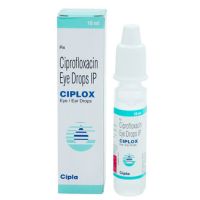
Use ciploxEye/Ear Drops exactly as advised by your doctor, in the dose and duration. Keep using it for the full course, even if you start feeling better, because stopping early can allow the infection to come back. Always wash your hands before and after using the drops. Avoid using contact lenses during treatment for an eye infection unless your doctor says it’s okay. Store the bottle properly, and don’t share it with others.
Common side effects of ciploxEye/Ear Drops include dysgeusia, corneal deposits, ocular discomfort, and ocular hyperemia. These are usually mild and resolve on their own. A strange or bitter taste in your mouth after using the medicine is generally harmless. However, if any of these side effects become bothersome or do not go away, consult your doctor.
Do not use ciplox Eye/Ear Drops if you are allergic to ciprofloxacin or any other quinolone antibiotics. If you are pregnant, breastfeeding, or have a history of ear surgery or serious medical conditions, let your doctor know before starting treatment. Avoid driving or using machinery if the drops temporarily blur your vision. Never use it for longer than prescribed, and don’t use it for conditions it wasn’t meant to treat.
Uses of ciplox Eye/Ear Drops
- Treatment of Bacterial eye/ear infections
Benefits of ciplox Eye/Ear Drops
In Treatment of Bacterial eye/ear infections
The dose and duration of treatment will be decided by your doctor based on your condition. Make sure you complete the full course of treatment. This will ensure that the infection is completely cured and prevent it from returning.
Side effects of ciplox Eye/Ear Drops
Common side effects of ciplox
- Taste change
- Corneal deposits
- Eye discomfort
- Ocular hyperemia
How to use ciplox Eye/Ear Drops
How ciplox Eye/Ear Drops works
Safety advice

Alcohol

Pregnancy

Breast feeding

Driving

Kidney

Liver

Reviews
There are no reviews yet.